

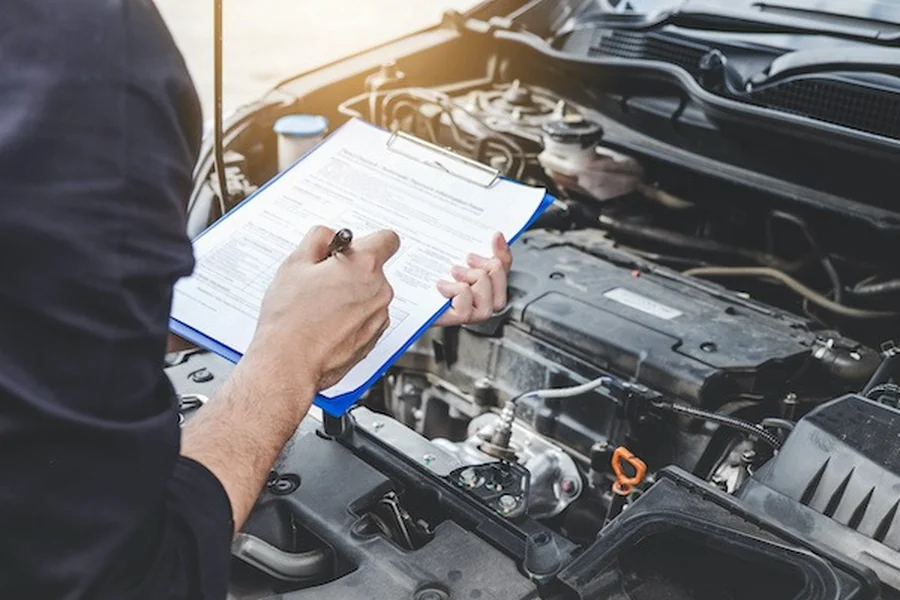
Owning a vehicle comes with both convenience and responsibility. While a car provides freedom and mobility, it also demands regular care to ensure reliability, safety, and longevity. Neglecting maintenance can lead to costly repairs, decreased fuel efficiency, and even dangerous driving conditions. Fortunately, with a proactive approach, keeping your vehicle in top shape is achievable. Here are essential maintenance tips to help your car perform optimally for years to come.
1. Regular Oil Changes
Engine oil is the lifeblood of your vehicle. It lubricates moving parts, reduces friction, and helps prevent overheating. Over time, oil breaks down and becomes contaminated with dirt and debris, reducing its effectiveness. Most experts recommend changing your oil every 3,000 to 5,000 miles, although modern vehicles with synthetic oil may extend that interval to 7,500 or even 10,000 miles. Always consult your owner’s manual for the manufacturer’s recommendations and ensure the oil filter is replaced alongside the oil. Neglecting this simple step can lead to engine wear and, eventually, costly repairs.
2. Monitor and Replace Fluids
Beyond engine oil, your vehicle relies on several other fluids to function properly. Transmission fluid, brake fluid, coolant, power steering fluid, and windshield washer fluid all play crucial roles. Check these fluids regularly for proper levels and quality. For example, brake fluid should be clear and amber-colored; dark or cloudy fluid indicates it’s time for a change. Similarly, coolant protects your engine from overheating and freezing, so maintaining the correct mixture and level is vital. Regularly monitoring and topping up fluids can prevent major mechanical failures.
3. Tire Care
Your tires are your vehicle’s only contact with the road, making tire maintenance critical for safety and performance. Check tire pressure monthly using a reliable gauge and inflate them according to the manufacturer’s specifications. Underinflated tires increase fuel consumption and can lead to premature wear, while overinflated tires can reduce traction and cause uneven wear. Additionally, inspect tires for signs of damage, such as cracks, bulges, or embedded objects. Rotating your tires every 5,000 to 7,500 miles ensures even wear and prolongs their lifespan. Don’t forget to check tread depth; worn tires significantly increase the risk of hydroplaning and accidents.
4. Brake Maintenance
Brakes are arguably the most important safety feature of your vehicle. Listen for unusual noises, such as squeaking or grinding, which may indicate worn brake pads or rotors. Pay attention to changes in brake pedal feel or vibrations while stopping. Many vehicles require brake inspections every 10,000 miles, with pads typically replaced every 30,000 to 70,000 miles, depending on driving habits. Maintaining your brakes not only ensures safety but also prevents damage to other brake system components, saving money in the long run.
5. Battery Care
A dead battery can leave you stranded at the worst possible moment. Most car batteries last between three and five years, but extreme temperatures and driving habits can shorten their lifespan. Inspect your battery terminals for corrosion and ensure connections are tight. If your battery shows signs of weakness, such as slow engine cranking or dim headlights, consider testing or replacing it proactively. Carrying a set of jumper cables or a portable battery charger is also a smart precaution for emergencies.
6. Replace Air Filters
Air filters play a key role in protecting your engine from dirt, dust, and debris while ensuring optimal airflow. A clogged air filter can reduce fuel efficiency, decrease engine performance, and increase emissions. Most manufacturers recommend checking air filters every 12,000 to 15,000 miles, but more frequent inspections may be necessary in dusty environments. Cabin air filters, which improve interior air quality, should also be replaced regularly to maintain a clean and healthy driving environment.
7. Maintain the Cooling System
Your vehicle’s cooling system prevents the engine from overheating by circulating coolant through the radiator. Over time, coolant can become contaminated or lose its effectiveness. Flushing and replacing the coolant according to your owner’s manual helps prevent overheating, corrosion, and damage to critical components like the radiator and water pump. Regularly inspecting hoses and the radiator for leaks, cracks, or bulges is also essential for preventing breakdowns.
8. Inspect Belts and Hoses
Belts and hoses are small but vital components that keep your engine running smoothly. Serpentine belts, timing belts, and various hoses can wear out or crack over time, potentially causing engine failure if ignored. Look for signs of wear, fraying, or unusual noises, and replace them according to your manufacturer’s schedule. Preventive maintenance in this area can save hundreds, if not thousands, of dollars in emergency repairs.
9. Keep Your Vehicle Clean
While mechanical maintenance is crucial, keeping your vehicle clean also contributes to its longevity. Regular washing removes dirt, road salt, and other contaminants that can cause rust and paint damage. Waxing your vehicle provides a protective barrier against environmental elements, while cleaning the interior prevents wear and tear on upholstery and dashboards. A well-maintained vehicle exterior and interior not only looks appealing but also helps maintain resale value.
10. Follow the Manufacturer’s Maintenance Schedule
Every vehicle comes with a manufacturer’s recommended maintenance schedule, covering routine inspections, fluid changes, and part replacements. Following this schedule ensures that your car receives the care it needs at the right intervals. Even if you are diligent with basic checks, consulting a diligent mechanic periodically can help identify potential issues before they become major problems. Modern vehicles often have warning lights and indicators to alert you of upcoming maintenance needs, but these should complement, not replace, a regular maintenance routine. Staying proactive is always better than reacting to breakdowns.
11. Drive Mindfully
Finally, how you drive impacts the lifespan of your vehicle. Aggressive driving, such as rapid acceleration, hard braking, and high-speed cornering, puts additional stress on engine components, brakes, and tires. Gentle driving, along with proper warm-up and cool-down periods for your engine, helps reduce wear and tear. Mindful driving also improves fuel efficiency and ensures smoother operation over time.
Conclusion
Keeping your vehicle in top shape is a combination of regular maintenance, careful monitoring, and mindful driving habits. From oil changes and fluid checks to tire care, brake inspections, and battery maintenance, each step plays a crucial role in ensuring reliability, safety, and performance. Remember, proactive care is far less expensive than emergency repairs and significantly extends the lifespan of your vehicle. By investing time and attention in routine maintenance, you can enjoy a smoother, safer, and more efficient driving experience for years to come.
A well-maintained vehicle isn’t just a machine that takes you from point A to point B—it’s a dependable partner on the road, capable of keeping you safe and saving you money in the long run. So, take the time to care for your car today, and it will reward you with years of reliable service.
