

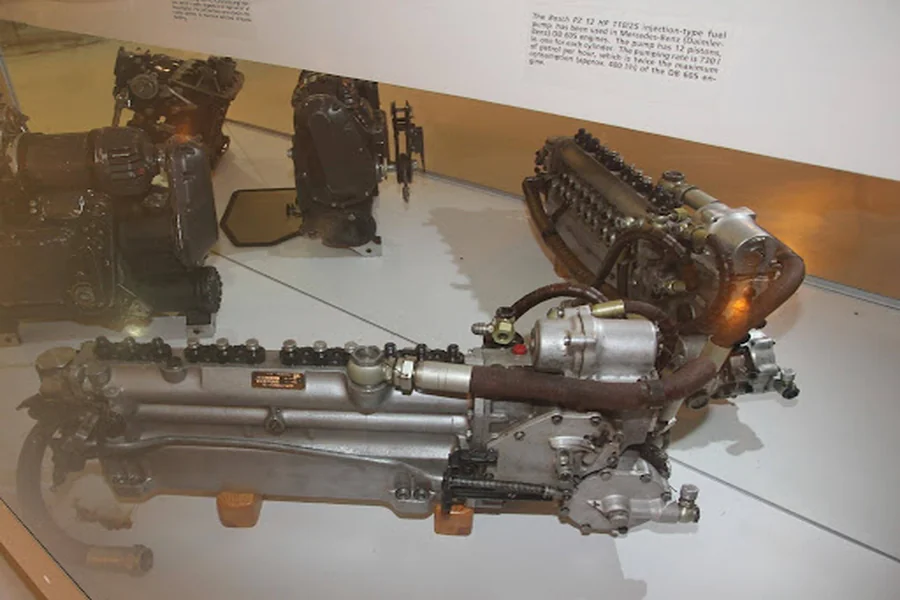
Few components affect the day-to-day driveability of a Mercedes more than the fuel pump, yet its decline often goes unnoticed for weeks or even months. Unlike a sudden mechanical breakdown, a failing pump tends to send quiet signals long before the engine refuses to start. Drivers who learn to recognize these signals can avoid the inconvenience of a roadside no-start and the avoidable damage that comes from running an engine on inconsistent fuel pressure. Understanding what happens in the lead-up to complete pump failure is one of the most useful pieces of practical knowledge a Mercedes owner can have.
The Quiet Beginning of Fuel Pump Decline
Fuel pumps rarely die overnight. Instead, they age the way most precision components do, through gradual internal wear, heat exposure, and electrical fatigue. The brushes inside an electric pump motor wear down over time, the impeller loses efficiency, and the check valve responsible for holding residual pressure begins to leak back into the tank. None of these changes produce dramatic symptoms at first. The engine still starts, the car still drives, and the dashboard stays quiet. But beneath the surface, the pump is working harder to deliver the same volume of fuel it once supplied effortlessly.
Why Symptoms Often Get Misread
Many early fuel pump issues are blamed on something else entirely. A slow start gets attributed to a weak battery. A brief stumble during acceleration is dismissed as old fuel or cold weather. A faint whine near the rear of the vehicle is assumed to be tire noise. Because the pump rarely fails in isolation, and because Mercedes engines are engineered to compensate for minor fuel inconsistencies, drivers tend to adapt to the gradual change rather than question it. By the time the warning becomes obvious, the pump has usually been struggling for a considerable amount of time.
The Symptoms That Should Never Be Ignored
Once the pump can no longer maintain steady pressure under varying engine loads, certain patterns begin to emerge. Extended cranking before startup is often the first noticeable clue, especially after the car has been parked for several hours. Hesitation when pressing the accelerator, particularly during highway merging or uphill driving, is another classic indication. Some drivers notice intermittent stalling at idle, while others detect a louder buzz or whine coming from the area near the fuel tank. Individually, these symptoms may seem minor. Collectively, they paint a clear picture of a pump that is losing its ability to keep up with engine demand.
When Repair Stops Being a Practical Option
Fuel-pump problems usually develop gradually rather than appearing without warning. Many Mercedes vehicles continue running while fuel pressure slowly becomes less stable, which makes the early symptoms easy to dismiss during daily driving. Extended cranking, hesitation during acceleration, intermittent stalling, and a louder pump noise near the fuel tank often indicate that the system can no longer maintain consistent fuel delivery under changing engine demand. Once these symptoms begin affecting startup reliability and throttle response, mechanics typically recommend mercedes fuel pump replacement because declining pump performance rarely improves after internal wear starts affecting pressure stability.
Modern Mercedes fuel systems depend on consistent pressure to supply injectors evenly during acceleration, idle transitions, and cold starts. A weak pump forces the engine to compensate for fluctuating fuel volume, which increases combustion irregularities and can eventually trigger misfire or fuel-pressure fault conditions. Heat buildup inside the pump assembly also accelerates wear when the vehicle frequently operates with low fuel levels, since gasoline helps cool internal pump components during operation. Technicians normally confirm failure by testing fuel pressure retention, electrical supply voltage, and pump response under load rather than relying on symptoms alone. Replacing a worn fuel pump restores stable fuel flow, improves startup consistency, and reduces stress on injectors and other fuel-system components that depend on reliable pressure regulation.
How a Failing Pump Affects the Rest of the Engine
When pressure becomes erratic, the consequences extend far beyond the pump itself. Fuel injectors are precision devices that depend on tightly regulated supply pressure to deliver the correct amount of fuel during each cycle. If pressure dips unexpectedly, injectors may underfuel certain cylinders, leading to misfires, rough idling, and increased emissions. Over time, this can also foul spark plugs and place additional strain on the catalytic converter. The electric pump motor itself draws more current as it ages, which can stress wiring connectors and the fuel pump relay. In other words, a weak pump rarely stays a contained problem; it slowly pulls neighboring components into the same cycle of underperformance.
The Connection to Broader Maintenance Habits
Most fuel-pump failures are part of a broader story about deferred maintenance. Cars that are driven thoughtfully, refueled before the tank runs critically low, and serviced on schedule tend to keep their pumps healthy for far longer. Owners who want a deeper understanding of why timely attention matters can read about essential car repairs that should never be ignored, which highlights how small issues compound into expensive repairs when they are postponed. The fuel pump is a textbook example of this principle in action.
Diagnosing the Problem the Right Way
A proper diagnosis is more involved than simply reading codes. Skilled technicians measure static and running fuel pressure, observe how quickly pressure drops after the engine shuts off, and verify that the pump is receiving the correct voltage under load. They also inspect the fuel filter, since a clogged filter can mimic the symptoms of a failing pump and shorten the life of a healthy one. Pressure that drops too quickly after shutdown often points to a leaking check valve, while pressure that never reaches specification usually indicates a worn impeller or motor.
Why Fault Codes Tell Only Part of the Story
Modern vehicles store diagnostic codes that can hint at fuel-delivery issues, but codes alone rarely tell the whole story. As discussed in this overview of common fault codes and emissions-related issues, fault codes are starting points rather than conclusions. A pressure-related code may originate from the pump, the regulator, the wiring, or even a clogged filter. Treating the code without verifying the underlying cause is one of the most common reasons drivers end up paying for the same repair twice.
A Note on Choosing Quality Replacement Parts
When replacement does become necessary, the quality of the new pump matters enormously. Mercedes fuel systems are tightly engineered, and a low-grade replacement pump can introduce new problems within months of installation. Goldfarb Inc. has built its reputation on supplying new, used, and rebuilt Mercedes fuel injection components that meet the original performance standards these vehicles were designed around. For owners who prefer original-quality parts without paying dealer prices, this kind of specialist supplier offers a meaningful middle ground between aftermarket guesswork and overpriced retail channels. Choosing the right part is just as important as choosing the right shop to install it.
Final Thoughts
A Mercedes fuel pump rarely fails without giving warning, but those warnings are easy to miss without an attentive ear and a willingness to investigate small changes in how the car behaves. Extended cranking, hesitation, faint whines, and unexplained stalling are all part of a familiar pattern that, taken seriously, can prevent a far more disruptive failure later. Recognizing the early stages, diagnosing the problem properly, and replacing the pump with a quality component when the time comes are the three habits that separate routine ownership from costly surprises. The pump may be a small part of a large machine, but it sits at the heart of everything a Mercedes engine does well.
