

It’s exciting to plan a road trip, but nothing can spoil the experience more quickly than unforeseen car troubles. Before you set off, it’s important to give your vehicle the attention it needs to handle long hours on the road. A few simple repairs and checks can prevent breakdowns, keep you safe, and make the journey more enjoyable. From brakes to headlights, these essentials will help ensure your car is ready for the miles ahead.
Checking Your Brakes for Safety
Brakes are one of the most critical components to inspect before hitting the road. Worn-out brake pads or low brake fluid can compromise your ability to stop quickly in unexpected situations. Before a long drive, have a professional check the brake pads, rotors, and fluid levels to ensure everything is in good working order. Squeaking or grinding noises often signal that replacement is overdue, so don’t ignore them.
A smooth brake pedal feel also indicates that your braking system is functioning properly. If you notice sponginess, it could mean there’s air in the brake lines or a leak in the system. A quick brake inspection can prevent accidents and keep you and your passengers safe. It’s always better to handle brake repairs ahead of time rather than risk dangerous situations on the highway.
Ensuring Tire Health and Proper Alignment
Tires are your direct connection to the road, so making sure they’re in top shape is non-negotiable before a long trip. Start by checking the tread depth; if the tread is too shallow, your tires won’t grip the road properly, especially in wet conditions. Tire pressure is another factor—both overinflated and underinflated tires can cause uneven wear and reduced fuel efficiency. Look for cracks, bulges, or objects lodged in the tread that could lead to a blowout.
It’s also a good idea to rotate your tires regularly and confirm that your alignment is correct. Misaligned wheels can make your car pull to one side, leading to faster tire wear and a less comfortable ride. Spare tires should be inspected too, as many people overlook them until they’re needed. Good tire maintenance helps you travel smoothly and avoid roadside breakdowns.
Conducting Battery and Electrical System Check
Few things are more frustrating than a dead battery when you’re miles away from home. Car batteries generally last three to five years, but extreme weather, short trips, and heavy use of electronics can shorten their lifespan. Before you travel, check for corrosion on the battery terminals and ensure that the connections are secure. A mechanic can test the battery’s voltage to confirm it’s still holding a proper charge. If your battery is nearing the end of its life, replacing it beforehand is a smart precaution.
Along with the battery, make sure the alternator and starter are functioning well since these all work together. Dim headlights, slow cranking, or electrical glitches are warning signs that shouldn’t be ignored. Addressing these issues ahead of time helps you avoid being stranded in unfamiliar places.
Restoring Headlights for Clear Visibility
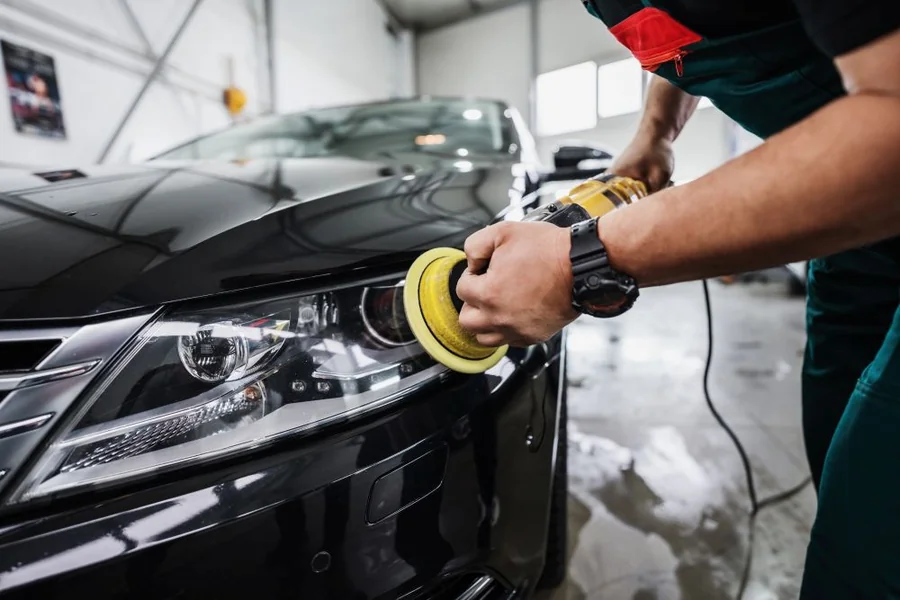
Headlights often become cloudy or yellowed over time, which can dramatically reduce visibility during night driving. Many drivers don’t realize how much safer their road trip could be with clear headlights. A restoration process can remove oxidation, scratches, and haze, allowing your headlights to shine brighter and more evenly. This improves not only your ability to see the road but also helps other drivers see you. Headlight restoration is far less costly than replacing the entire assembly, making it a smart repair before traveling.
While polishing kits are available, professional services typically last longer and provide better results. For instance, some drivers turn to experienced autoshops like Touch Up Pro to get their headlights restored to a like-new condition, which ensures better safety and performance on the road. Clean, restored headlights are especially important if you’ll be driving through rural or poorly lit areas. Think of it as a simple step that adds a big layer of safety to your journey.
Checking Fluids and Filters
Fluids are the lifeblood of your vehicle, and each one plays an important role in keeping your car running smoothly. Before a road trip, make sure your oil is fresh and at the right level. Old oil can cause unnecessary engine wear and reduced fuel efficiency. Don’t forget to check coolant, power steering, transmission fluid, and brake fluid. Dirty and low fluids can lead to overheating or mechanical failure at the worst possible time.
Air filters should also be inspected since they help maintain fuel efficiency and engine performance. A clogged filter can reduce airflow, making your car work harder and burn more fuel. Staying on top of fluid and filter maintenance helps your car handle long drives without strain.
Takeaways Before You Hit the Road
A road trip is meant to be an enjoyable adventure, but it requires preparation to ensure things go smoothly. Simple repairs like checking brakes, tires, fluids, and lights can make the difference between a stress-free drive and a roadside emergency.
Headlight restoration, in particular, is often overlooked yet vital for safe travel after dark. It’s also wise to carry a basic emergency kit, including jumper cables, a tire repair kit, and first-aid supplies. Taking these steps gives you peace of mind and allows you to focus on the journey ahead rather than worrying about car trouble.
With a little preventive care, your vehicle will be ready for miles of open road. Many drivers even consult professionals such as Touch Up Pro to ensure their car is road-trip ready, highlighting how valuable expert checks can be. Preparing ahead of time sets the stage for safe travels and memorable adventures.
