

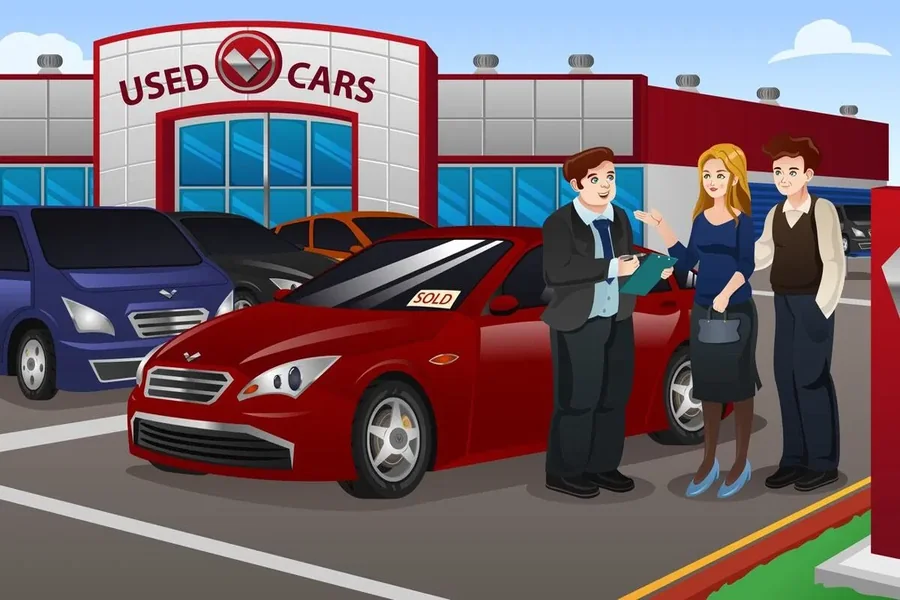
Buying a new car can cost a fortune. That’s the prime reason why many people prefer used cars instead of new ones. It may cost half as much and still be of decent quality. Even if the car has some mileage, it can still serve you well for years.
By the way, if you had a dream car, you can realize this dream through TWG Cars used cars sales Ipswich which offers numerous splendid used cars for sale, of different models and colors. Whether it is a matter of practicality or your lifelong dream, browse through the available options and find the right ones for you easily.
The tips and advice below, from professional mechanics, will help you achieve your purchasing goals. Acquiring an old car can indeed be a real bargain. However, there are also some pitfalls to avoid, of course, since this car was used. Let’s delve into the details you should know in advance.
How to Choose the Right Used Car for You: Unconventional yet Workable Approach
We will not provide you with lengthy and tedious reviews on the matter. Instead, we will cover the most important points by asking and answering the most widespread questions, and we will also share some helpful tips along the way. Whether you buy a used car from the owner, the marketplace, or a dealer, the questions always remain the same.
Don’t neglect asking them. These small efforts will prevent you from making costly mistakes. Of course, when you use some marketplaces with used cars, you can find sufficient information in the descriptions of cars. For instance, explore Ipswich’s trusted used car sales, which offer numerous superior options for sale, accompanied by detailed descriptions. However, clarifying additional details may also be necessary. Here are the questions professional mechanics advise you to ask.
What’s the car’s current state?
If you look through the car’s description, this information should be provided explicitly. When working with a private seller, never interrupt them after asking a question. Listen to the broad explanations and clarify any extra points that interest you without hesitation.
Typically, buying a car from a private seller is riskier because not all the nuances of its conditions may be disclosed. When you work with a dealer or marketplace, this risk is significantly lower because a car is properly inspected in advance. Reliable intermediaries in the market value their reputation. Thus, they disclose all the details about the used cars for sale and ensure that pricing is appropriate.
How is a used car equipped?
Assessing correctly the technical side of the question is essential, if not crucial. If you review the car’s description or interact with the seller/owner, request more information about the transmission type, navigation system, safety equipment, cruise control, etc. For some owners, it is essential to ensure that the audio system functions properly. Also, clarify whether this car was previously upgraded and what specific enhancements were made.
How many miles does the considered car count?
In this case, several nuances are worth considering. Be reasonably suspicious when you see a vehicle with mileage less than 5,000. It may be stored inappropriately in a garage and may require extra repairs for this reason.
Another issue that may be present in old cars with fewer than 5,000 miles is stop-and-go driving. It greatly exhausts any car, resulting in the need for costly or frequent repairs, or both.
If a used car has over 20,000 miles, there are no comments here. Simply ensure that the price for this option is appropriate, taking into account any effective repairs that were made.
Are there any service records?
When such records are in place and properly maintained, this signifies that the car was properly cared for over the years. Another good suggestion is to double-check whether the former owner followed the manufacturer’s specifications and adhered to the recommended service intervals entirely and properly. Request the copies of the records before paying for the chosen car.
What’s the car’s body and interior?
Assess these aspects comprehensively. You should also clarify whether there were any crashes, the extent of the damage, and, if possible, who was responsible for the repairs. There’s no need to worry about some minor scratches. However, it is much more disturbing if it experiences a serious car accident. Compare the information provided by the seller with that available in the records.
Inspect the Vehicle in Detail
When buying a used car, be sure to inspect it thoroughly, both inside and out. Once you have this opportunity, check these parts and details:
- Exterior: lights, glass, tires, suspension, and overall body condition.
- Interior: seats, belts, pedals, instruments and controls, audio system, roof, and the general odor in a car.
- Under the hood: hoses, belts, fluids, radiator, battery, etc.
- Under the car: tailpipe, underneath, etc.
Bottom Line
Buying a used car can be a real bargain if you are mindful of the things and points to check. First, review the car’s description to identify any gaps or unclear points. Ask any questions you have without hesitation, and be attentive to any mismatches to request extra clarifications.
Aside from that, also make sure you inspect your future car properly. Ask your mechanic to conduct a thorough review of the car’s entire system.
When you buy a used car directly from its former owner, this purchase always requires more attention because it’s riskier. However, when you look for your next car on the car sales platform, it’s much safer. The cars are thoroughly checked there, and the prices are picked appropriately. If you want to make a real bargain, it’s best to work with trustworthy sales companies.
