

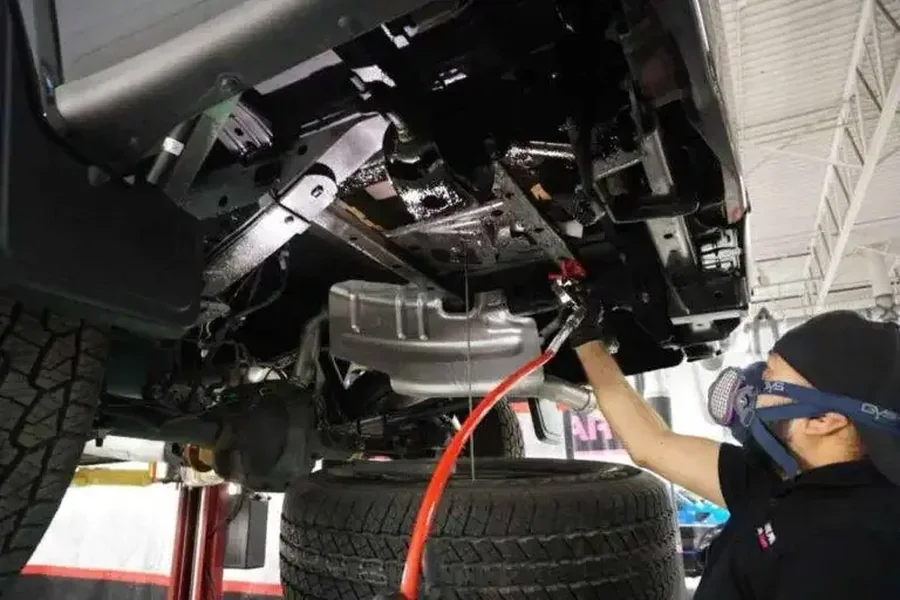
When it comes to vehicle longevity, rust is one of the most insidious threats. It creeps silently, often hidden from view, yet it can compromise structural integrity, decrease resale value, and even pose safety hazards. While traditional methods like paint and zinc galvanization have provided some defense, modern advancements in coatings have revolutionized chassis protection, offering drivers peace of mind and longer-lasting rides. This article explores these innovative solutions and how they keep vehicles rust-free for years to come.
Understanding the Rust Problem
Rust, or iron oxide, forms when iron or steel reacts with oxygen and moisture. While it might start as a superficial blemish, left unchecked, it can penetrate deeper, causing metal to weaken and eventually fail. In automotive applications, the chassis—the vehicle’s backbone—bears the brunt of environmental exposure. Road salt, humidity, rain, and mud accelerate corrosion, making protective coatings essential for longevity.
Traditional solutions, such as simple paint or primer, act as a barrier to moisture but often fall short in the long term. Small chips, scratches, or natural wear can allow water to seep in, initiating corrosion. Thus, engineers and chemists have developed advanced coatings that go beyond simple surface protection.
Modern Coating Technologies
Today’s automotive coatings are engineered for durability, flexibility, and comprehensive protection. They can be categorized into several key types:
1. Epoxy-Based Coatings
Epoxy coatings are among the most common rust-resistant solutions for chassis protection. Known for their chemical stability and adhesion, epoxies create a hard, impermeable layer over the metal surface. These coatings can resist mechanical damage from rocks and debris and are often used as the first layer in multi-coat systems. The benefits include:
- Strong adhesion to metal surfaces
- Resistance to moisture and chemicals
- Excellent durability under road stress
Many manufacturers use epoxy primers beneath paint systems to ensure the metal remains protected even if the outer paint layer is compromised. For those seeking enhanced protection, a premium chassis coating can combine epoxy’s durability with superior resistance to harsh environmental conditions.
2. Polyurethane Coatings
Polyurethane coatings offer flexibility and resilience. Unlike the rigid epoxy, polyurethane can expand and contract with metal movement, reducing the likelihood of cracking under stress or temperature fluctuations. This elasticity is particularly valuable in vehicles exposed to harsh winters or off-road conditions. Key advantages include:
- High UV and weather resistance
- Superior impact resistance
- Long-lasting color retention and finish
These properties make polyurethane coatings ideal for both aesthetic and protective purposes.
3. Wax and Oil-Based Undercoatings
Traditionally, wax and oil-based products have been applied to chassis components for rust prevention. These coatings seep into seams, joints, and crevices where conventional paints cannot reach. They remain semi-fluid, allowing for self-healing action: if the coating is scratched, it can flow back into the damaged area, maintaining protection. Modern wax-oil formulations have improved longevity and reduced mess compared to earlier versions, making them a practical solution for underbody care.
4. Nano-Ceramic Coatings
A newer frontier in chassis protection is nano-ceramic coatings. These advanced materials use nanoparticles to create a dense, ultra-hard layer on metal surfaces. Unlike traditional paints or sealants, ceramic coatings bond chemically with the metal, offering superior protection against oxidation, scratches, and chemical attack. Benefits include:
- Extremely high hardness for abrasion resistance
- Water and dirt repellency for easier cleaning
- Longevity that can surpass 5–10 years with proper maintenance
While traditionally more common in paint protection for exteriors, nano-ceramics are increasingly being adapted for underbody and chassis applications.
The Importance of Surface Preparation
Even the most advanced coating cannot perform optimally without proper surface preparation. Metal must be free from rust, oils, and contaminants to ensure strong adhesion. The process typically involves:
- Cleaning: Removing dirt, grease, and old coatings
- Rust Removal: Mechanical or chemical methods to eliminate existing corrosion
- Surface Profiling: Roughening the metal slightly to improve coating adhesion
- Priming: Applying a primer that bonds the metal to the topcoat
Failure to prepare the surface properly can lead to peeling, blistering, or premature corrosion—even with high-tech coatings.
Environmental and Maintenance Considerations
Advanced coatings not only protect the vehicle but also minimize environmental impact. Modern formulations reduce volatile organic compounds (VOCs), and many are designed to be more durable, reducing the frequency of reapplications. For vehicle owners, maintenance remains straightforward: regular washes, inspections for chips or scratches, and touch-ups as needed can dramatically extend the lifespan of the coating.
For vehicles in coastal or wintery regions, additional protective measures may be warranted. Salt neutralizers, frequent underbody washes, and supplemental wax-oil applications can reinforce the primary coating and ensure long-term rust resistance.
The Cost-Benefit Perspective
Investing in advanced chassis coatings might seem costly upfront, but the long-term savings are significant. Consider the alternative: untreated or poorly protected vehicles often face structural damage, costly repairs, and accelerated depreciation. A high-quality coating can:
- Preserve structural integrity, enhancing safety
- Extend vehicle lifespan
- Maintain resale value
- Reduce long-term maintenance expenses
For many vehicle owners, particularly those in climates prone to corrosion, the investment pays for itself over time.
Future Directions in Chassis Protection
The automotive industry continues to innovate in corrosion protection. Researchers are exploring self-healing polymers, hybrid coatings that combine multiple protective mechanisms, and even smart coatings that signal corrosion onset before it becomes visible. As electric vehicles gain traction, with unique chassis materials and battery integration, protective coatings will evolve to address new corrosion challenges, ensuring every ride remains rust-free and safe.
Conclusion
Rust may be an inevitable part of metal aging, but advanced coatings have redefined what it means to protect a vehicle. From epoxy primers and polyurethane topcoats to wax-oil blends and nano-ceramic innovations, modern technology equips vehicle owners with tools to maintain a pristine, structurally sound chassis. Proper application, surface preparation, and maintenance amplify these benefits, offering a vehicle that not only looks great but is engineered to endure. In a world where longevity and safety matter, investing in a premium chassis coating is a proactive step toward a truly rust-free ride.
