

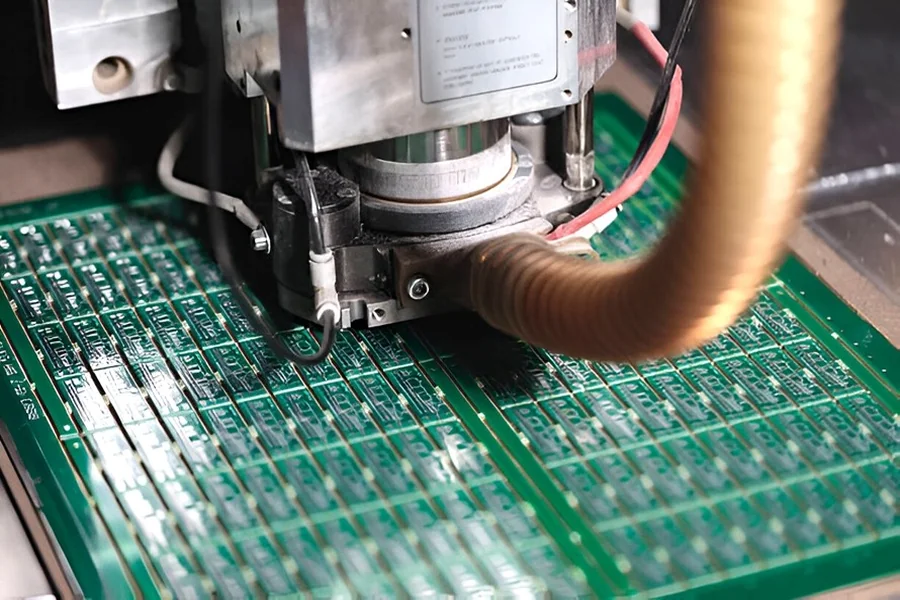
A Microvia PCB is a type of high-density interconnect (HDI) printed circuit board that uses extremely small vias, typically less than 150 microns in diameter, to connect layers within the board. Unlike traditional through-holes, microvias are laser-drilled and are often used to connect just one layer to another, such as from the surface layer to an inner layer. This design approach makes Microvia PCBs essential for miniaturized electronics where space, performance, and signal integrity are crucial.
With the increasing demand for smaller, faster, and more reliable devices, Microvia PCBs have become the foundation of smartphones, tablets, medical devices, automotive electronics, and next-generation communication equipment.
Why Microvia PCBs Are Critical in Modern Electronics
The adoption of Microvia PCBs has transformed the electronics industry by enabling designers to create compact yet powerful devices. Some of the most significant benefits include:
- Higher Component Density: Microvias allow for more components to be placed in a smaller space without sacrificing performance.
- Improved Signal Integrity: Shorter interconnections reduce electrical noise and improve data transfer speeds.
- Lightweight Design: Eliminates the need for bulky boards, ideal for portable electronics.
- Thermal Management: Microvias enhance heat dissipation, increasing product reliability.
- Multilayer Compatibility: Enables the integration of complex circuits with stacked and staggered microvias.
These benefits make Microvia PCBs indispensable in industries where advanced functionality and reduced size are top priorities.
Applications of Microvia PCBs
The versatility of a Microvia PCB allows it to serve across multiple industries. Common applications include:
- Consumer Electronics: Smartphones, tablets, wearables, and laptops rely on Microvia PCBs for slim and lightweight designs.
- Telecommunications: Essential in 5G infrastructure, high-frequency devices, and IoT systems where high-speed performance is critical.
- Automotive Electronics: Used in advanced driver-assistance systems (ADAS), infotainment units, and electric vehicle components.
- Medical Devices: Compact medical instruments, imaging systems, and implantable devices benefit from Microvia PCB technology.
- Aerospace and Defense: Ensures lightweight yet reliable circuitry for mission-critical equipment.
Each of these applications demonstrates how Microvia PCBs push the boundaries of design and performance in modern technology.
Key Features of Microvia PCBs
To meet industry requirements, a Microvia PCB incorporates several defining features:
- Laser-Drilled Vias: Provides high precision and reliability compared to mechanically drilled holes.
- Stacked and Staggered Structures: Enables greater design flexibility for complex multilayer boards.
- Thin Dielectric Layers: Reduces electrical path lengths for faster performance.
- High Reliability: Withstands mechanical stress, thermal cycling, and harsh environments.
- Compatibility with Advanced Components: Supports fine-pitch BGAs and other high-density packages.
These features ensure that Microvia PCBs meet the needs of high-performance applications while maintaining durability.
Challenges in Manufacturing Microvia PCBs
Despite their benefits, Microvia PCBs present several manufacturing challenges that require advanced processes and precision engineering:
- Laser Drilling Accuracy: Requires state-of-the-art equipment to maintain consistency.
- Cost Factors: More complex fabrication processes make Microvia PCBs more expensive than traditional boards.
- Material Requirements: High-performance laminates and copper plating are essential for quality.
- Reliability Testing: Boards must undergo rigorous inspection to ensure microvias do not fail under stress.
These challenges highlight the importance of working with an experienced and reliable partner to ensure the success of your Microvia PCB designs.
The Future of Microvia PCB Technology
As electronic devices continue to shrink while performance demands increase, the role of Microvia PCBs will only become more significant. With advancements in 5G technology, artificial intelligence, and electric vehicles, manufacturers are focusing on improving laser-drilling techniques, copper plating reliability, and multilayer integration. The future will see even smaller via sizes, better material innovations, and cost-effective mass production, making Microvia PCBs central to next-generation electronics.
Conclusion
A Microvia PCB is far more than a standard circuit board—it is the backbone of today’s most advanced electronic systems. Its compact design, superior electrical performance, and reliability make it an ideal choice for industries ranging from consumer electronics to aerospace.
For businesses aiming to take advantage of this cutting-edge technology, choosing the right Microvia PCB Manufacturer is crucial. By partnering with a skilled and experienced manufacturer, you can ensure precision, quality, and long-term reliability in every project, giving your products the competitive edge they deserve.
