

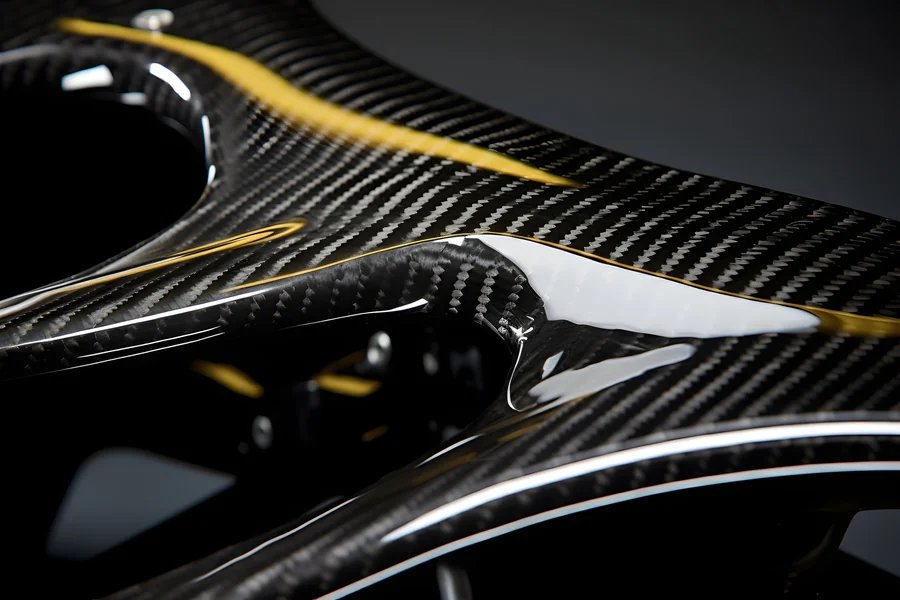
Picture yourself holding two baseball bats. One weighs three pounds; the other, one. Which one do you want to swing? Clearly, the lighter option. But what if that lighter bat could also drive the ball further and endure twice as long? That’s precisely what’s occurring in the materials sector at this moment.
Every day, engineers and designers encounter this identical decision. They can adhere to traditional, durable materials such as steel and aluminum, or they can adopt something groundbreaking. Smart money’s on the revolution.
What Makes These New Materials So Special?
Imagine conventional materials as a heavyweight fighter; powerful and confident, yet sluggish and cumbersome. Contemporary composite materials resemble a ninja. They’re agile but deliver a powerful impact when necessary.
These materials merge various components to produce an outcome that exceeds the mere total of its elements. It’s like preparing a sandwich; just bread is dull, just meat isn’t satisfying, but combine them with tasty fillings in the center, and you create something extraordinary.
The unique factor depends on how these materials manage stress distribution. Flexing steel causes stress to build up in one spot until it suddenly snaps. However, composites handle pressure like a spider web handles the weight of dew. No one spot endures all the punishment.
Weight Matters More Than You Think
Each pound matters, particularly when items need to be transported. Lighter cars consume less fuel. Aircraft can reach longer distances with the same amount of fuel. Even your smartphone gains from being lighter in your pocket. However, losing weight isn’t solely about ease. It generates a chain reaction. Lighter vehicles require smaller engines, resulting in reduced fuel consumption, leading to smaller fuel tanks, which contributes to their increased lightness.
Strength That Surprises Everyone
These new substances not only have a lower weight, but they also frequently surpass the strength of the materials they replace. Certain materials can endure greater stress than steel while being only half its weight. Some can flex without fracturing and then return immediately to their initial form.
Advanced composites made by companies like Aerodine are now used in a wide range of products, from tennis racquets to space vehicles. They’ve shown what they can do under the toughest circumstances. If NASA trusts these materials, they must be extraordinary.
Real-World Applications That Matter
Manufacturers of sporting goods were among the earliest to recognize the trend. Golf clubs became lighter while also gaining more power. Bicycles became quicker without needing more powerful legs. Racing cars triumphed in competitions not solely because of superior engines, but thanks to improved materials. The car industry mirrored this trend. Auto manufacturers realized they could enhance vehicle safety and fuel efficiency concurrently. It appeared incredible, yet the figures are accurate. Construction firms took notice. Structures might reach greater heights while being more adaptable. Bridges might cover longer distances while utilizing less material. The options appeared infinite.
The Future Looks Lighter and Stronger
We’re merely beginning to explore what’s achievable. Researchers persist in creating materials that appear nearly enchanted in their abilities. Certain individuals can fix themselves when harmed. Some alter characteristics depending on temperature or stress conditions.
Shifting from traditional materials is a major change in construction. As these materials become cheaper and simpler to use, they’ll appear in more common products.
Conclusion
The decision between traditional and modern materials is turning into an obvious one. Why choose heavy and weak when you can opt for light and strong? These groundbreaking materials signify more than merely a technical improvement; they are altering our perception of the connection between weight and performance. The future is for materials that operate more intelligently, not more laboriously.
