

Introduction
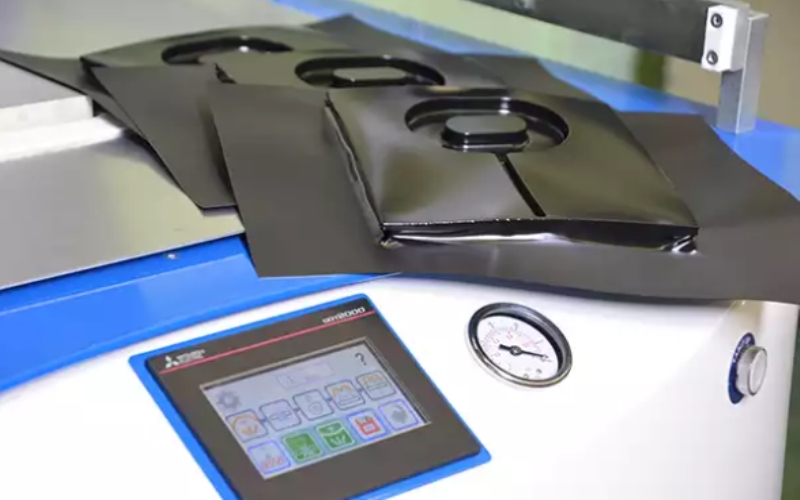
Thermoforming is a process where sheets of thermoplastic are heated until they become flexible, then shaped using molds to create a myriad of items, utilized broadly across different sectors for its effectiveness in crafting a vast array of objects, such as consumer packaging and parts for vehicles. This method employs various materials like ABS, known for its robustness and resistance to heat; Polystyrene, chosen for its lightness and cost efficiency; and Polycarbonate, valued for its transparent quality and resilience. Each of these materials brings particular benefits, including resistance to chemicals, adaptability, and protection against UV rays, enabling precision in designing products to meet exacting standards. Thermoforming’s flexibility with numerous materials highlights its capability and efficiency for tailored manufacturing needs.
The Thermoforming Process:
Opting for thermoforming presents several advantages over alternative methods. Its cost benefits are notable, particularly for items of considerable size or intricacy, due to more affordable tooling and setup expenses, making it a practical choice for both prototype development and limited production runs. The process boasts exceptional design versatility, allowing for swift alterations and the ability to produce substantial parts without a corresponding increase in costs. It also offers a broad palette of thermoplastics, permitting customization to specific functional demands. Additionally, thermoforming’s minimal tooling demands and quick preparation times significantly shorten the timeline from design conception to actual product, enhancing speed to market. Another significant aspect is its contribution to sustainability, as the surplus material from the thermoforming process can be repurposed, minimizing waste and fostering a more eco-friendly production cycle.
Conclusion:
In applications ranging from intricate automotive paneling to transparent food packaging, thermoforming distinguishes itself through a unique combination of design flexibility, operational efficiency, and ecological consciousness. Its capacity for quickly generating bespoke designs across a wide spectrum of materials cements its role as an indispensable tool in contemporary manufacturing endeavors.
